US withdraws diplomats from Saudi Arabia amid deadly Houthi attacks
Some reports said the Pentagon was pulling American troops from military bases in the Middle East, including in Jordan, Qatar and Kuwait
Thursday October 22 2026
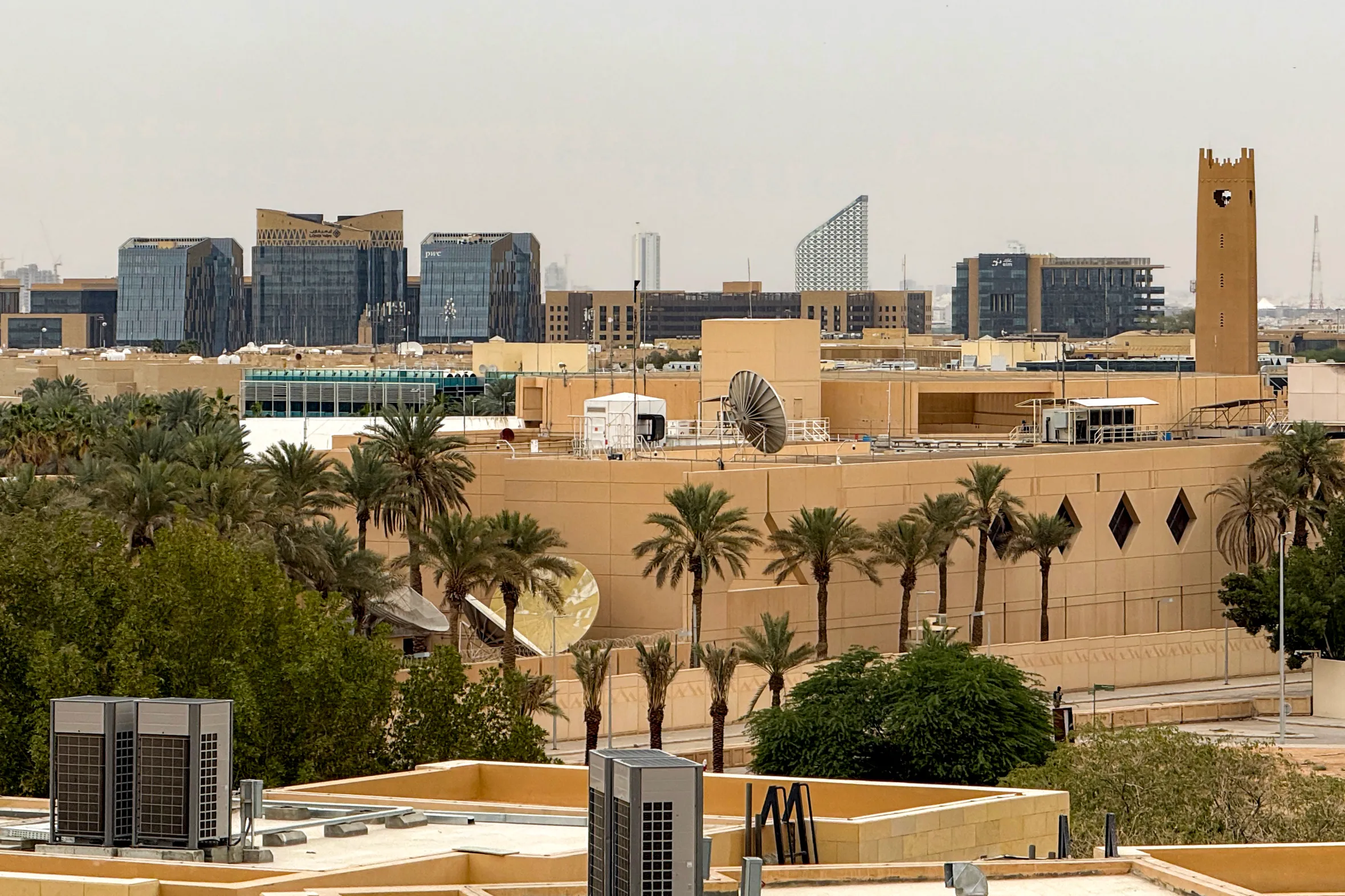
The US embassy headquarters in Riyadh AFP
The US has ordered non-essential diplomatic staff and their families to leave Saudi Arabia, as the kingdom comes under deadly attacks by the Iran-backed Houthis.
Some families of embassy personnel were also being withdrawn from the United Arab Emirates, Jordan, Qatar and Bahrain, according to AFP which cited a diplomatic source in the Middle East.
Tommy Pigott, a spokesman for the State Department, insisted the orders only applied to non-emergency staff and their families in Saudi Arabia.
Four US officials told Reuters that US missions in other Gulf states would also be ordering family members to leave.
Pigott wrote on X: “Iranian-supported Houthis have increasingly engaged in hostilities against Saudi Arabia, including attacks on civilian airports and other critical infrastructure resulting in civilian casualties and severe travel disruptions.”
The moves came as a third American aircraft carrier and about 10,000 military personnel were heading to the Middle East and President Trump threatened to resume the war with Iran.
Earlier this week, Binyamin Netanyahu, the Israeli prime minister, held a phone call on video in which they appeared to agree to “finish the job” in Iran, in Netanyahu’s words.
On Wednesday Netanyahu said that he had ordered his military and intelligence services to prepare for regime change in Iran.
“There is only one way to remove this threat once and for all: overthrow the regime in Iran,” Netanyahu said at a graduation ceremony for military officers.
Reports coming out of Israel and Washington have suggested that neither Trump nor Netanyahu wish to start a fresh military campaign before the Israeli election on October 27 and the US midterms on November 3. The Israeli military has reportedly warned that holding elections might be impossible if the war resumes before the vote.
Trump has previously announced that there would be no attacks before the congressional election, while a delay in Israel’s election would open Netanyahu to accusations that he went to war to avoid the vote as his coalition struggles in polls.
However, both countries have deliberately misled the Iranians in previous rounds by announcing timetables for attacks and then striking with no notice, catching the regime off guard.
Trump suggested on Wednesday night that “something” would happen “very soon” in the conflict with the Islamic Republic.
“We are not negotiating with” Iran, Trump told a reporter before boarding Air Force One at Joint Base Andrews.
“Something one way or another will happen, fairly soon,” he continues. “Most people seem to think it’s after the election.”
Earlier in the day, Abbas Araghchi, the Iranian foreign minister, warned in a social media post: “Iran is prepared to give diplomacy another chance if we see strong evidence of a sincere desire by US to build trust & reach a just solution. But if US chooses war over diplomacy, it’ll certainly result in an even greater strategic failure.”
Iranian officials said Tehran could target American political assets or infrastructure in the case of a large-scale conflict, according to reports citing state media on Wednesday.
US newsletter
A balanced, fair and fact-checked take on global news and culture for our US readers.
Tensions in the region have escalated in recent weeks, as the Houthis launched strikes against airports and oil facilities in Saudi Arabia.
On October 3 a large fire erupted at a Saudi Aramco oil refinery south of the capital Riyadh after a strike by the militant group.
A week later, a deadly attack on the international King Khalid airport in Riyadh killed 13 people and left more than 300 injured. It was targeted again in the following hours, leaving more wounded.
On Wednesday evening, authorities said two people were killed and several more injured in an attack on King Fahd International airport in Dammam, after the Houthis threatened to strike it.
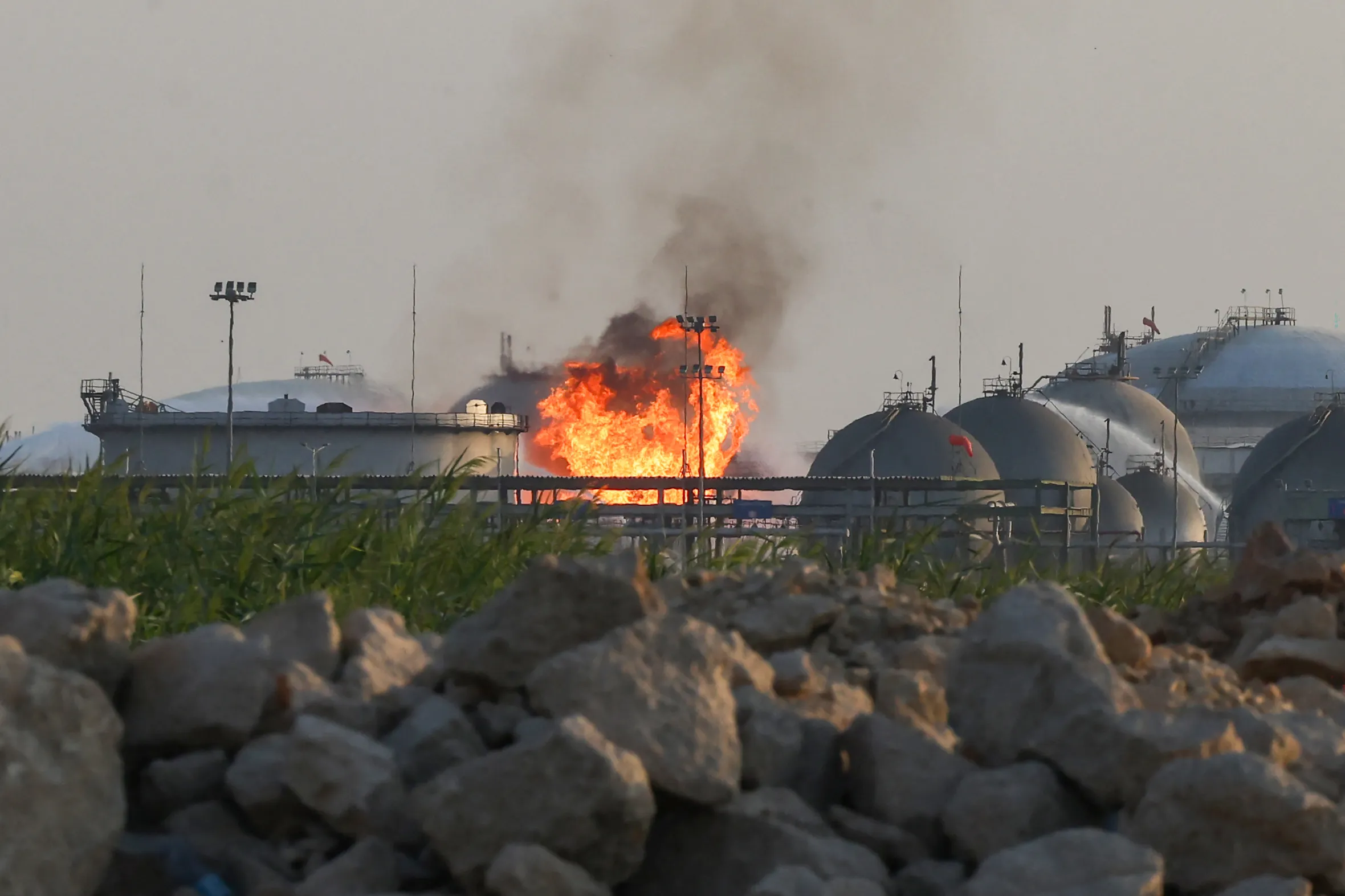 The site of a strike on Saudi Aramco oil refinery AFP
Saudi Arabia’s energy ministry had earlier said its air defences intercepted a drone attempting to strike the country’s Shaybah oilfield, killing two people.
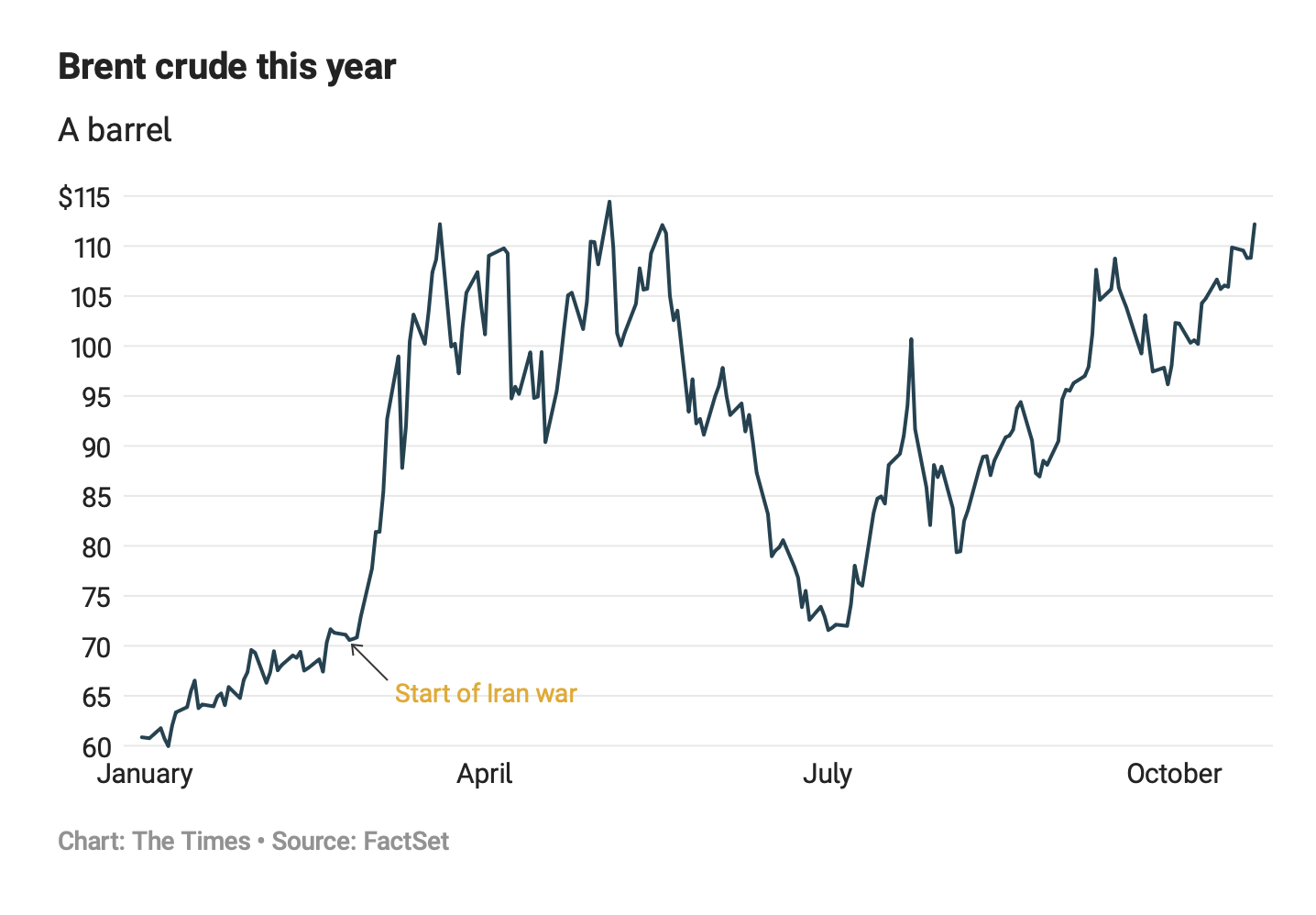
Brent crude, the leading global benchmark contract for crude oil, rallied to $112.15 a barrel to levels last seen in May over concerns about further disruptions to oil supplies.
A US official also told NBC News that the US has been reducing its troop presence at military bases in the region, including in Jordan, Qatar and Kuwait.
“We regularly move US service members and assets to optimise mission readiness,” Timothy Hawkins, a spokesman for US Central Command, told the outlet.
“We do not discuss related movements for operational security reasons. US forces remain vigilant and ready to protect American personnel and interests across the region,” he added.
The US has previously ordered non-essential personnel home from diplomatic missions in the region, including in Saudi Arabia, since the beginning of the Iran war in February. Some have returned since, as conditions stabilised, but travel restrictions remain.
Over the weekend, US embassies in Saudi Arabia, Bahrain, Qatar, and the UAE urged Americans in the Middle East to exercise “heightened vigilance” due to the recent attacks, warning that the hostilities had the potential to quickly spread beyond the current conflict zone.
The Times has contacted the Pentagon for comment.